28 Foods That Are Good For Your Liver
The constant rush to meet never-ending deadlines has led to an insipid and alarming dependence on fast food. Unhealthy and circumstantial food habits, coupled with the stagnant presence of a multitude of pollutants — pesticides, air pollutants, water contaminants etc. has led a collective depletion of the body’s largest gland’s holistic health. Basically, the conditions that the 21st-century world foists on individuals are increasingly becoming causal factors of a failing liver. Before we look at some changes in our daily diets that can help avoid such detrimental harm, it is important to understand the crucial role played by the liver in the overall healthy metabolic processes of the human body. In today’s post, I am sharing 28 foods that are good for your liver (1).
Functions And Importance of Liver
- The liver is not nicknamed the powerhouse of the human body for no apparent reason.
- It facilitates digestion by keeping a check on our blood sugar levels.
- It acts as an overall filter that removes harmful toxins from our bloodstream.
- The liver performs a plethora of functions without which the somatic system would be utterly lacking.
- The most important function performed by the body’s largest gland is the secretion of a substance called Bile. Without the secretion of bile, it would be impossible for the digestion of fats in any form to take place (2).
- Besides such primary functions, the liver also performs a number of secondary associated functions, such as acting as a storehouse of numerous vitamins, as well as a saver of iron.
- The liver( also known as the hepatic organ) is the body’s largest gland, and second largest organ, normally weighing around 1.4 kilograms.
- It facilitates the making of proteins and cholesterol and plays a crucial role in the release of hormones and in the discerption of red blood cells.
- In short, the liver is truly what can be called a jack of all trades, playing a role in virtually all the systems that the body upholds. Taking care of one’s liver is, therefore, an infallible step to a healthy lifestyle.
28 Foods That Are Good For Your Liver
1. Crucifers
The term crucifers signify a large body of vegetarian choices. Some of the most common picks remain broccoli, cauliflower, Brussels sprouts, mustard greens and cabbages to name a few. If you are a big fan of Asian cooking trends, some palatable choices would include bok choy, as well as daikon. Cruciferous vegetables all possess some form of what comes under the broad category of phytonutrients. The presence of such nutrients in these vegetables contribute to the overall detoxification process that is largely determined as the primary function of the liver.
The presence of the compound glucosinate in cruciferous vegetables like broccoli and cauliflower further facilitate the creation of beneficial enzymes in the hepatic system, thereby making them an excellent source of combat for seasonal allergic reactions. Further research conducted at the University of Illinois suggest the reduction of the chances of the onset of a fatty liver. Besides such functions, cruciferous vegetables are excellent sources of fiber, as well as pleasing to the taste buds. In short, the inclusion of culture-specific food choices such as kimchi or sauerkraut into one’s daily diet keeps the liver healthy and the body toxin free.
- Brocolli
Broccoli, in particular, is very rich in sulfur-based compounds( also known as isothiocyanate), the presence of which facilitates the overall removal of cancer-promoting entities, the expression of hereditary characteristics, as well as an overall prevention of somatic inflammation.
- Brussels sprouts
Brussels sprouts are largely regarded among the leading sources of a multitude of vitamins and minerals. Daily requirements of Vitamins like A, K, and C, and minerals such as calcium, phosphorus, potassium, and magnesium can largely be met through the consumption of this holistically beneficial green.

Brocolli
2. Turmeric
The presence of the compound Curcumin in Turmeric provides the herb with a number of useful properties. Turmeric provides the liver protection from inflammation, fungal infection, viral infection, bacterial and facilitates the production of insulin at required levels. Furthermore, it greatly facilitates lipid digestion. This herb is usually ingested in the form of a powder or paste, but can also be taken in tincture or fluid extract form.
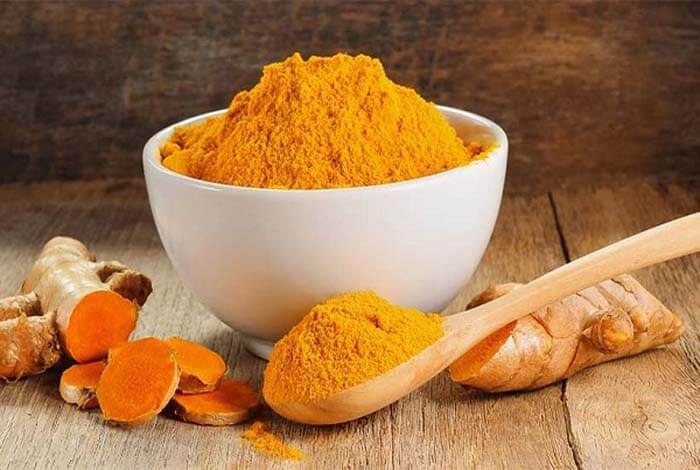
Turmeric
3. Ginseng
The root of ‘Panax ginseng’ is rich in materials known as ginsenosides. Such compounds enable the liver to successfully complete somatic detoxification and further provide endurance against the onset of liver cirrhosis and fatty liver. A great way to consume this herb is in the form of ginseng tea. Sticking to two cups a day is generally a good idea.
4. Dandelions
Dandelions are unique in its possession of a preventive measure against the onset of rheumatism. It is also considered to be a wonderful diuretic, meaning that it helps in the creation of urine. Tossing a few into your salad may go a long way in preventing sustainable damage to your hepatic system.
5. Sprouts
The beneficial properties of nuts, grains, seeds or legumes are magnified all the more through the process of soaking them in water, preferably overnight. The resultant sprout mixture that percolates has proven to be extremely helpful in enzyme creation. An enzyme, as you may know, is kind of like a trigger, which propels an action forward. Most of the activities carried out in our body for the purpose of sustenance is triggered by the presence of an enzyme. Sprouts, primarily those which germinate out of snakes broccoli have been regarded as excellent defence measures against cancer-causing pathogens. Adding a cup of the sprouts you prefer to any meal largely adds to the health of the body’s largest gland.
Sprouts
6. Chia Seeds
Seeds of any kind have been largely associated with a plethora of benefits. Chia seeds, Hemp seeds, Cumin and coriander seeds all play special roles in keeping the liver as healthy as possible. Chia seeds derive their origin from the food practices of the early Mayan and Aztec civilization of Central and South America. Don’t be fooled by their size. These little seeds possess a number of useful compounds — protein, calcium, lipid, and fiber, thereby making them a balanced diet in themselves.
7. Hemp Seeds
Hemp seeds have been associated with the possession of numerous healthy fats. The presence of these compounds make these seeds an excellent regulator of blood lipid count as well as a great anti-inflammatory supplement
Here is an informative video from Dr Axe
8. Cumin Seeds
Cumin largely adds to the facilitation of toxin-elimination, the liver’s primary function. It furthermore facilitates the release of pancreatic enzymes as well as the taking in of beneficial nutrients.
9. Coriander Seeds
Coriander seeds, along with hemp, acts as an excellent lowering mechanism of blood lipid count and bad cholesterol.
10. Garlic, Onions, and Leeks
The presence of the compound allicin in garlic makes it one of the fastest facilitator in the overall elimination of harmful substances from the body. Among such toxic pathogens, garlic primarily helps in the removal of mercuric presence. Furthermore, it serves as a great regulator of estrogen levels.
Although closely related to garlic, onions and leeks possess certain crucial functions worthy of mention. Among these benefits, the chief perk of including them into your daily diet arises out of the help they provide the hepatic system in the creation of the important compound glutathione. Further, the strong presence of sulfur in these compounds facilitates the removal of the toxic substance.
11. Cilantro and Cardamom
Cilantro is a common choice of culinary garnish, as well as a staple salad dressing. A sprig of this wonderful plant largely aids the eradication of unnecessary metallic presence from the body. Large quantities of metals like cadmium, lead, aluminum, and mercury often lie around entrenched in crucial somatic entities such as the brain or spinal cord. Cilantro plays an important role in their removal.
One of the key function of the hepatic system is the production of bile. The presence of a pinch of cardamom on top of our cookies and beverages largely enable the steady propagation of bile, without which it would prove virtually impossible to digest fats in any form. The loosening action this spice performs on the valve connecting the stomach and small intestine facilitates the easy flow of nutrients.
12. Citrus Fruits
Citrus fruits like lemons, oranges, limes, and grapefruits are among the biggest sources of the Vitamin C. This Vitamin plays a crucial role in the detoxifying process, as well as overall triggering of the hepatic system. Grapefruit, besides being a storehouse of vitamin C, is also an important anti-oxidant, as well as a preventive against cancer-causing entities.
13. Eggs
Eggs are perhaps one of the only sources of protein that possess all eight of the crucial amino acids necessary for somatic sustenance. Furthermore, they contain choline in the yolk, an enzyme which plays a rapid role in toxin removal, primarily in metallic form.
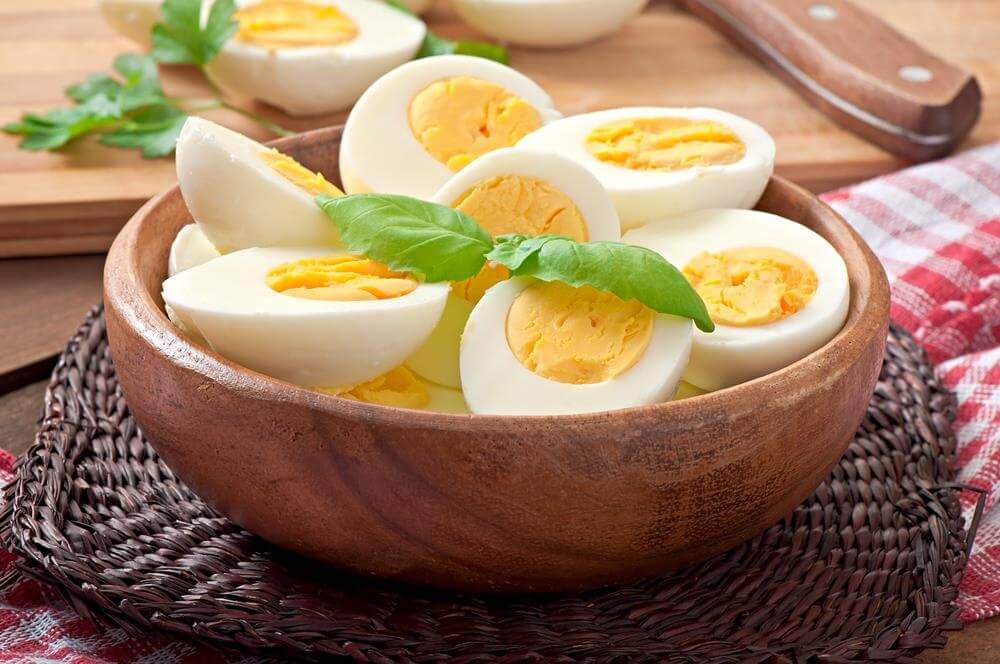
Eggs
14. Artichokes
The presence of cynarin and silymarin compounds in artichokes makes them leaders in facilitating the creation of bile. Furthermore, they provide a great defensive precaution against gallstone formation in the hepatic system, thereby making them essential choices for a summer soup or salad.
15. Marine Vegetables
Sea vegetables like seaweed, algae etc. are one of the most ancient facilitators in somatic detoxification. Recent work conducted under the aegis of McGill University has further revealed the presence of certain entities acting as preventives for bone absorption of radioactive materials. ‘Mochi’, a Japanese meal involving rice and seaweed paper as well as ‘Triangle kimbab’, a Korean alternative, are great ways to keep one’s liver in good shape.
16. Avocadoes
Avocadoes are extremely rich in the mineral glutathione, which contributes to the holistic health of the hepatic system. Furthermore, they are storehouses of oleic acid.
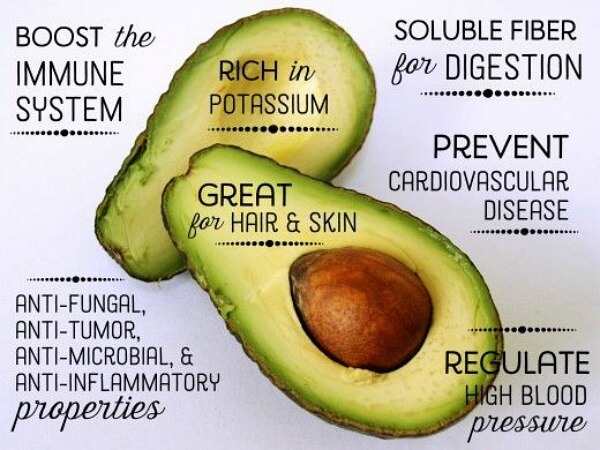
Avocado
17. Mushrooms
Certain species of mushrooms — reishi, shiitake — have proven to possess excellent anti-oxidant properties, a characteristic which makes the body resistant to the external onslaught of disease-causing pathogens. The possession of L-ergothioneine further brings up the production of useful enzymes.
18. Gluten Grains
Grains rich in gluten are great regulators of the body’s toxin levels. Furthermore, they play a crucial role in enzyme presence. Switching to options like quinoa, millet, and buckwheat adds to the healthy function of the liver.
19. Asparagus
These stalklike vegetables are one of the best natural facilitators of regular urine production, thereby adding to the liver’s primary function of keeping the body toxin free. Both our liver and kidneys can be kept fit and functioning through an inclusion of asparagus into our regular diet.
20. Olive Oil
Olive oil performs a unique role in helping the liver keep our body toxin free. By providing a soluble and largely viscous medium, it becomes a carrier of toxins outside somatic premises. Oliver oil is one of the best foods that are good for your liver.
21. Berries
Berries are among the best source of phytochemicals, which are largely known for their anti-oxidant properties. The presence of compounds like anthocyanin and polyphenols in strawberries have largely been identified as a defense against the growth of carcinogenic tendencies in the hepatic system.
Greek Yogurt and Berries
22. Apples
Apples contain large amounts of pectin, a chemical which keeps the digestive tract toxin free. In the case of the liver, an apple a day really does keep the doctor away.
23. Cayenne
Cayenne is a spice that has largely been associated with warming up the somatic system. The warmth generated simultaneously corresponds to a circulatory trigger, which percolates into a rise of the overall functioning of both the digestive and lymphatic models.
24. Beets and Carrots
The presence of betalains in beetroots plays the role of a strong anti-oxidant. Recent research in Poland points to a protection against the onset of cancer as well as a considerable decrease in the harm done to genetic codes. Beets can be consumed raw, although the benefits are more poignant in juice form.
Carrots are a storehouse of useful chemicals and contain a plethora of useful vitamins, minerals, and fibers. Regular consumption has been associated with a strong defense against the early onset of a fatty liver.
25. Fish
Besides being excellent sources of protein, a number of fish species have proven to be excellent sources of fatty acids. Furthermore, fish possess considerably lower amounts of inherent toxins. Choices like salmon, mackerel, sardines, and anchovies are great ways to make sure your liver and body, in general, remain as healthy as possible. Fish is one of the best foods that are good for your liver.
Salmon
26. Green Tea
Green tea is very rich in catechins, which act as powerful anti-oxidants. It is important to note that green tea extracts do not possess such beneficial properties. Much research points to a contrary effect received. A cup of delicious green tea a day is one step towards a healthy liver.
Green Tea
27. Tomatoes
As a rich source of glutathione, Tomatoes largely add to the liver’s primary function of somatic detoxification. Furthermore, the added presence of the compound lycopene has been associated as a preventive measure against the onset of cancer.
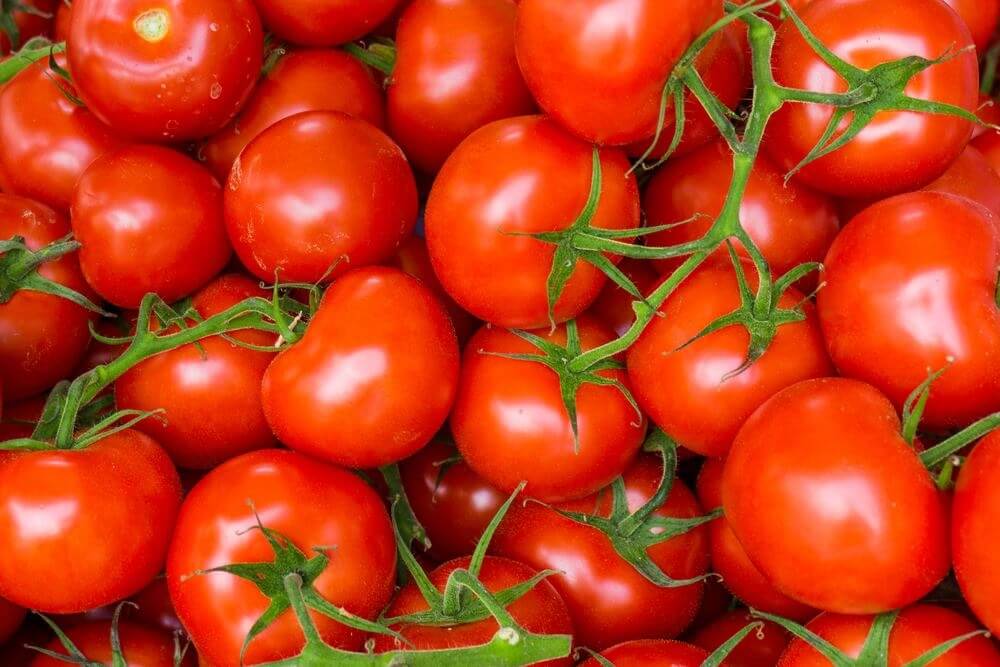
Tomatoes
28. Coffee
Coffee, besides being the widely loved beverage that it is, has been associated with a lowering of the chance of early liver cirrhosis and cancer onset. It is a great anti-inflammatory agent as well as a sustainable anti-oxidant. Furthermore, it helps in the eradication of unnecessary fat and collagen, the primary compounds associated with most hepatic problems.
This one is almost a no-brainer and naturally tops the list for diet choices that enable the healthy functioning of the body’s largest organ. Our body needs approximately 64 ounces of water daily( although women are currently recommended to intake at least ninety-one ounces daily). This corresponds to approximately 8 to 10 glasses of this essential compound daily. Water plays an overall role of removing harmful substance from the body, along with the rapid extraction of cumulative excretory substances. It is important to remember however that drinking too much water can do more harm than good. So make sure to keep yourself properly hydrated, for the facilitation of the workings of a healthy hepatic system.
To sum up, the living conditions of the world we inhabit makes an unhealthy liver an alarming reality. Unless conscious efforts are taken to keep our hepatic system healthy, a plethora of maladies like diabetes, arthritis, and soaring blood pressure levels can occur. The inclusion of the foods mentioned above in our daily diets prevents the degradation of hepatic health and contributes to an overall healthy lifestyle.

Recent Comments