41 High Fiber Foods You Must Include in Your Diet
High fiber food is discussed everywhere in health circle. The age we live in is running faster than ever. Everyone is in a hurry to get their job done, irrespective of the fact whether they are tending to their health or even looking out for sanitation. Though people need to work, what our bodies need is pretty different. Our physical bodies demand food. Now food has several components. The food we consume consists of carbohydrates, proteins, vitamins, and fiber. We know we need fiber to have a healthy balanced diet. But do we really know about fiber? We hear people say that a fibrous diet makes sure that our bowel system works smoothly and also that it is essentially required by our bodies. Let’s get to know about fiber first (1).
What is Fiber?
Fiber is the part of the plant that our bodies do not digest. The question arises that something that remains undigested in our stomachs, how could it possibly help us. This undigested part of the plant passes through the digestive tract to clear up obstructing food particles. Fibers are present in most food items which have bread, rice in them. Besides helping the smooth going of the digestive system it also assists in the absorption of various other components present in food. To understand fiber we must know there are two types of fibers (2).
- Soluble Fibers: Fibers that are soluble. These fibers are soluble in water and thus reach the end of our digestive tract. Basically, these are the fibers that help in the absorption of nutrients. Soluble fibers are very essential, as some vital vitamins might not be used by our bodies without fibers.
- Insoluble Fibers: Fibers that don’t dissolve in water. This second class of fibers doesn’t dissolve into water. These fibers agitate and dislodge any blockages in the digestive system.
Both these fibers are equally significant for having a balanced diet. Soluble fibers form mushy formations by mixing with water in the digestive tract. These fibers help the bowel tract to remain primed for its functioning.
The fibers which dissolve in the upper gastric tract remain in there for an ample amount of time, whereas the insoluble fibers go down to the large intestine to get digested. Thus the insoluble fibers help in bowel clearance.
Why do we need Fibers in our diet?
Discussing the benefits of having fibers in your diet are insurmountably incomparable. A person who keeps a check on their health should completely understand the significance of fibers in their diets. Fibers not only have a nutritional value but they also facilitate the absorption of the other components of our total diet. Though a huge majority of people do not completely understand the necessity of fibers in our daily food habits. Every individual requires about 25-30 grams of fiber each day for the functioning of their anatomies. Because these fibers finally form the mass of starch that our bodies to absorb.
How to consume Fibers?
Fibers are abundantly available in a lot of food items. Knowing the amount of fiber in food items allow us to balance out diet accordingly. It is advisable to always consult your physician or dietitian before changing prescribed food habits. High fiber containing food may sometimes be overfilling and uncomfortable. So it is vital to remember the required amount of fiber for a certain individual to intake. Some food items also contain various other components along with fibers. It is important to know about them too. Knowing gives you the power to control your diet without facing issues related to health.
41 High Fiber Foods
Edible items containing substantial amounts of fibers are enlisted below.
1. Banana
An estimated amount of dietary fiber in 100 grams of banana is 2.6 grams, of which 0.6 grams is considered as soluble fiber.

Banana
2. Chickpeas
Chickpeas have a relatively higher amount of fibers than bananas. About 16 grams of fiber is present in 100 grams of chickpeas. It is from the legume family. Alternatively known as Bengal gram or the Egyptian pea, these seeds have high protein content. Chickpeas is one of the best high fiber foods.
3. Blackberries
High in other nutritional content, 100 grams of blackberries also contain about 5 grams. 4.9 grams of sugar are also packed along with the fiber content being 20% when consumed in larger quantities.
4. Avocado
Ripe avocados have about 7 grams of fiber in 100 grams of avocados.
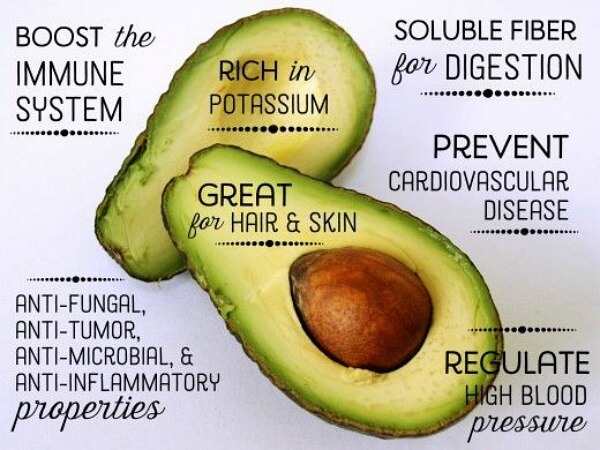
Health Benefits of Avocado
5. Pumpkins
Pumpkins have low dietary fiber. About 100 grams of pumpkin has 0.5 grams. It is from the squash plant family. They are round and contain several vitamins. Though their fiber content is very low.
Pumpkin
6. Kiwi
A soft fruit, and contains a relatively high amount of fiber in terms of it being a fruit. Kiwi has about 3 grams of fiber per 100 grams of the fruit.
Kiwi
7. Beet
Every 100 grams of beetroot contains about 2.6 grams of fiber in it. The root of the beet plant is the beetroot that we all know and purchase. It is high in iron content.
8. Figs
Figs have about 2.9 grams of fiber in every 100 grams of the fruit. The scientific name of the fruit is ‘Ficus carica’.
9. Chia Seeds
Chia seeds, also known as Salvia hispanica, are seeds with high fiber content. About every 100 grams of chia contains 34 grams of fiber. This plant is from the mint family.
10. Grapefruit
It’s a citric fruit which contains about 1.6 grams of fiber in every 100 gram of the fruit. It is usually found in the tropical and sub-tropical zones.
Grapefruit
11. Popcorn
As unconventional it may sound, popcorn also contains fibers. It actually contains a lot of fiber. About 13 grams of fiber per 100 grams of popcorn. It can be consumed as a quick snack whenever necessary.
Here is an informative video from FitQueens
12. Butternut Squash
Also known as gramma or the butternut pumpkin is a fleshy fruit found in sub-tropical and temperate regions. 100 grams of this fruit has about 2 grams of fiber.
13. Lentils
Lentils are edible pulses. They are rich in fiber content. Per 100 grams of boiled lentils have about 8 grams of dietary fiber. Pulses constitute the major part the staple diet in many countries.
14. Pomegranate
;
Pomegranates are seedy yet fleshy fruits which are generally red in color. This fruit also contains about 4 grams of fiber per 100 grams of the fruit.
15. Almonds
Rich in fiber, these nuts have 12 grams of fiber per 100 grams. Almonds taste good and are consumed around the world in different forms.
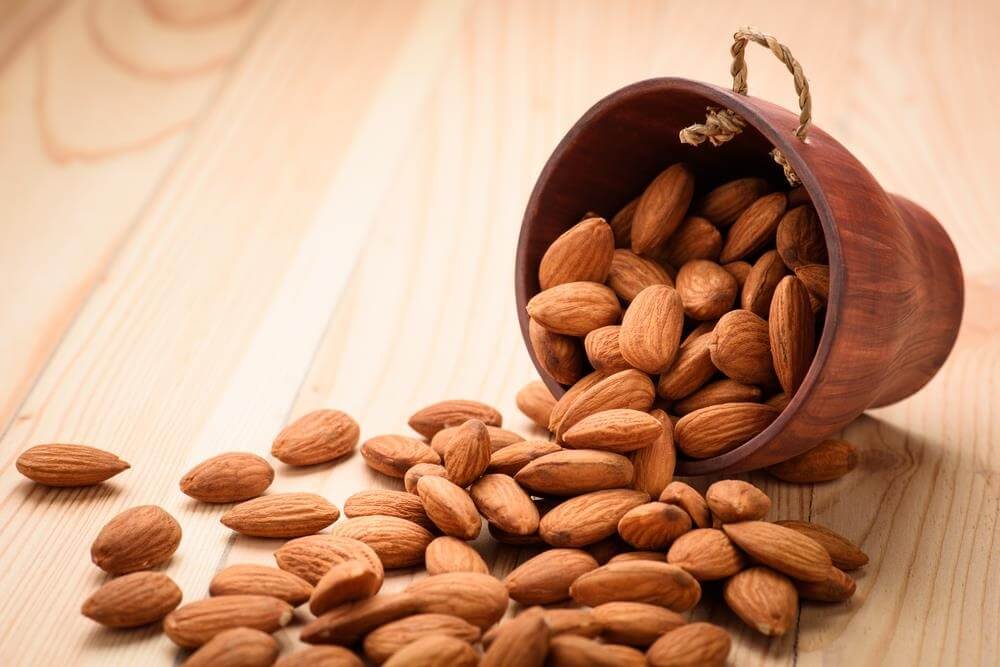
Almonds
16. Barley
This member of the grass family is grown around the world. It has high fiber content. Estimated to be about 17 grams of dietary fiber per 100 grams of barley seeds.
17. Sprouts
Alfalfa sprouts contain about 1.6 grams of fiber for every 100 grams that are consumed. These are also known as bean sprouts. Fitness fanatics over the world eat sprouts for fiber and vitamins.
Sprouts
18. Raspberry
Berries are a fruit from the rose family. Berries are also tasty and sweet. Raspberries are used to make jams and are also consumed as fruits. In comparison with other fruits raspberries have a high fiber content. About 7 grams of dietary roughage per 100 grams of the fruit.
19. Pistachio
This nut is a member of the cashew family and is high in calorie content and fiber mass. It has about 10 grams of fiber per 100 grams of the nut. It has now become near endangered and tastes very eccentric.
20. Sweet Potatoes
Sweet potatoes belong to the morning glory family and contain about 3 grams of fiber in every 100 grams of sweet potatoes. It belongs to the family of dicots and is also a rich source of carbohydrates.
Sweet Potatoes
21. Broccoli
Broccoli is green inflorescence and contains 2.6 grams of dietary fiber per 100 grams of broccoli. Besides fiber, broccoli has several other properties that are considered healthy.
Brocolli
22. Pears
Pears have about 3.1 grams of dietary fiber in q00 grams of the fruit. The fruit tastes good and belongs to the genus pyrus. The United States is considered to be highest producers of pear in the world.
23. Apples
Apples are the produce of deciduous tree group and belong to the rose family. Belonging to the genus Malus, it is grown as a fruit crop worldwide. Apples have about 2.4 grams of fiber in 100 grams of the substance.
24. Flaxseeds
Flaxseed is another very fiber-rich food. It has 27 grams of fibers of both soluble and insoluble in nature per 100 grams of the grain. It belongs to the genus linam. Flaxseeds is one of the best high fiber foods.
Flax Seeds
25. Guava
Guavas are seedy yet considered to be an amazing source of vitamins. In every 100 grams of guava, about 5 grams of dietary fibers are present. It is massively grown in tropical regions and is a very common fruit.
Guava
26. Carrots
Daucus carota or the common wild carrot is a root vegetable. It has about 2.8 grams of fiber in every 100 grams. It comes in various colors as well.
27. Dates
The date palm is a cultivated dry fruit. It has about 8 grams of fiber in 100 grams and is heavily cultivated in the Middle East. Date plants have separate genders, meaning they have male and female plants distinctively.
28. Walnuts
Juglans registered, or the Persian or English walnut has been a widely cultivated dry nut which is consumed all around the world. It has about 7 grams of dietary fibers in 100 grams of the nut.
29. Coconut
The only member of the genus Cocos, coconuts are a very good source of potassium and sodium ions. Coconuts are also famous for the water they contain in it. Besides all its other qualities, coconut has 9 grams of fiber per 100 grams.
Coconut
30. Pumpkin seeds
A highly rich seed with about 18 grams of fiber in 100 grams of pumpkin seeds.
31. Strawberries
Strawberries have a low content of fiber but they are rich in vitamins. The consumption of strawberries will lead to gaining only 2 grams of fiber from 100 grams of strawberries.
Strawberry
32. Split Peas
Split peas have a very excessive fiber content. It contains about 26 grams of fiber in every 100 gram of the peas. The scientific name of split peas is Pissing sativum. Besides its agricultural growth and culture, it’s extensively used in daily household cooking and thus gains its importance in most cultures in the world.
33. Oranges
Oranges are overly consumed around the planet. They have classified amounts of fibers in them. A medium orange contains about 1.3 grams of soluble fibers and another gram of insoluble fibers. Thus the total amount of fibers in a 3.5-ounce weighted orange is 2.3 grams.
34. Green Peas
Green peas are a kind of legume with several smaller units of peas in them. They are a common veggie among the green vegetables usually consumed. 100 grams of green peas have about 5 grams of natural fibers. Green peas are also a great source of vitamins.
35. Mangoes
From the genus Mangifera, mangoes are the most favored seasonal fruit in the tropical zone. But their fiber content is usually very low. It has about 1.6 grams of fiber. But is a rich source vitamin. They are flowering plants that flourish in the warm season.
36. Cauliflower
Cauliflowers are a very important part of the staple diet in sub-American countries and also Asian countries. And for every 100 grams of the inflorescence, 2 grams of fibers are present.
37. Prunes
Plums which are dried and are edible in nature are called prunes. Prunes have a rich fiber content of 7 grams per 100 grams of prunes. Prunes are difficult to get in many countries but is very high in nutritional value. Consumption of prunes is highly advisable.
38. Kidney Beans
The prime member of the plant family Fabaceae has a high content of fiber in it. In 100 grams of beans, 25% is Fiber. Kidney beans are very good for health as they are nitrogen providing. They belong to the group of leguminous plants.
39. Quinoa
It is a base food alike rice and wheat. Quinoa, when cooked and boiled, contains 5 grams of fiber in about 185 grams of the total substance. Though low in the fiber department, Quinoa has been claimed to have many medicinal effects.
40. Artichoke
Approximately 29% of fiber can be gained from consuming half a cup of artichokes. It also contains about 7 grams of fiber and is packed with other vital nutrients. It is considered one of the most efficient sources of dietary fiber and can be consumed regularly without having side effects.
41. Navy Beans
Haricot is another name for this special bean. It is mentioned because of its high fiber content, about 11 grams per 100-gram serving. Navy beans are also commonly called pea beans and is extensively consumed in Pan American countries. It was a wild genus strain high was domesticated by the masses for consumption.
Scientific Details About Fibers
Going deeper into the composition of fibers. They are a mixture of many plant components.Some of them being very common like cellulose. The basic term that can be coined to refer to a fiber in its chemical composition is that it’s a mixture of polysaccharides. Some other components are pectin, chitins, lignin, insulin and other enzymes. It is also referred to as an oligosaccharide and is enriched with beta-glucans. Studies say that beta-glucans help control cholesterol and keep the heart healthy.
Another name for fibers is roughage. While visiting a dietitian, the very term, roughage would acquire great emphasis. It is advised to consume fibers early in the morning with sufficient water. It keeps the digestive system fit. On a very basic level, fibers are the parts of a plant which are resistant to human digestive enzymes. Being a polysaccharide it is also a carbohydrate in terms of composition. Though most parts of a plant are indigestible, fibers are only considered to be the portions which are edible. Fibers that dissolve in our digestive tract form healthy compounds. The insoluble ones get worked upon by the good bacteria in our intestinal path. Consumption of fibers presents a lot of advantage. How does fiber affect our well-being?
How fibers work in our bodies is by three simple methods-
- Being viscous, giving satiety.
- Ferment to form a nutritional mass in the larger intestine.
- And the basic purpose of acquiring more mass in the gastrointestinal tract.
These three functions of fibers, making them essential in our daily diet. Dietary fiber is easily available in most food items. But all fibers work on this simple principle. The fermented matter gets used up by the microorganisms in the large intestine when they do so, they produce a form of fatty acid in the process. This simple reaction enhances digestive qualities.
How Fibers Affect Us
Fibers cannot be digested by our digestive systems. But their effect on our system can be clearly observed.
- Firstly, it affects the quantity of the food that we are consuming. Fiber filled food items give the person consuming them a feeling of being full. This reduces appetite and helps control obesity. The problem of having couch potatoes has been widespread across nations. A diet consisting of a sufficient amount of fiber would help people fulfill themselves with fewer calories content in their foods.
- Precisely soluble fibers help us in an interesting way. These fibers attract gel-like thick molecules and prevent excess carbohydrate digestion, this prevents radical fluctuations in blood sugar levels.
- Cholesterol is controlled because of the same reason. Fatty acids merge with the fiber molecules and are obstructed from entering the bloodstream. Keeping the blood cholesterol level under a check. This has a major impact on the heart, as optimum amounts of cholesterol in the blood keeps the heart healthy and clean from diseases.
- Patients suffering from diabetes are highly benefited from fibers. Both soluble and insoluble fibers assist heavily in the control of blood sugar. Even without the very hormone, insulin, fibers are considered an effective method of controlling diabetic tendencies.
- The foremost advantageous feature of consuming fibers which has been the ideal for their every need. Fibers enhance digestion and help patients with acid reflux and other digestive problems. Besides people suffering from an ailment, it is also very useful for a person to have a healthy digestive system. On the very basic level roughage (or dietary fibers) clear the bowel tract and also improves bowel movement, which in turn helps digestion.
- It increases the quantity of faecal matter which helps to keep a healthy bowel system.
- It steadily allows the bile from our livers to act on our food while they are resistant to any sort of degradation from the digestive enzymes we secrete, but it gives enough time for bile to work and then escape through the cecum.
- Excess enzymes are conveniently depleted through defecation. Fibers, after forming a mush (soluble fibers) absorb the excess enzymes. This helps in another kind of a clean-up of the whole system.
- The fibers carrying the enzymes, help these chemicals reach our colon. Enzymes are secreted in the upper gastrointestinal tract and the scope for them to reach the lower parts to fully process and digest the food that has consumed is provided by fibers that are present in the diet of a person.
- It maintains a stable chemical balance in the stomach, avoiding irritation of the inner lining of the digestive tract. This prevents many diseases and saves a lot of discomfort for the consumer.
- Fibers don’t react with compounds likes vitamins and other vital minerals, thus never hindering their absorption for the body. Since these compounds cannot be stored, our bodies must use them up while they are in the digestive tract. Again which fibers facilitate. Fibers make sure the food is going slowly enough through the intestines so that digestion can occur completely.
Hence, fibers must constitute a major part of our diet. It keeps the system up and running. Basically understanding the subject matter of fibers helps us get its actual importance. They not only help in clearance of the intestinal tract but it also improves enzyme distribution in the system.
The significance of fibers in our diet cannot be more clearly demonstrated. A guided bit of information regarding fibers and their intake gives an insight into making a balanced yet highly nutritious diet. Fibers are as important as carbohydrates and proteins in the system. But their proper consumption is recommended.

Recent Comments